Influencer Marketing for Food & Bev Brands: Why Your Best Salespeople Have 2,000 Followers
Food micro-influencers outperform celebrity chefs on every metric. Here's why — and how Australian F&B brands can run campaigns at scale.
By Donkey Dan, edited by Dr Brent Coker

A celebrity chef posts a perfectly lit photo of your new dish. It gets 50,000 likes. Your sales don’t move.
Meanwhile, a uni student with 2,000 followers films herself trying your burger for the first time in her car, sauce on her chin, genuinely losing her mind over the flavour. Her video gets 800 views. And your store sees a 30% spike in foot traffic that weekend.
This isn’t a hypothetical. 46% of Australians have bought a product after seeing an influencer promote it, and food is the category where this effect hits hardest. The question isn’t whether influencer marketing works for food and beverage brands — it’s why you’re still spending your budget on the wrong type of influencer.
Why Does Authentic Food Content Convert Better Than Polished Campaigns?
Food is the most visceral category on social media. You can’t fake a genuine reaction to a great bite. And audiences — particularly on TikTok and Instagram — have become ruthlessly good at spotting the difference between a scripted endorsement and someone who actually loves what they’re eating.
The data backs this up. Micro-influencers in food and beverage niches achieve 3–7% engagement rates, compared to 1–3% for macro creators. Some nano-influencers (under 5,000 followers) hit engagement rates above 12% on Instagram. That’s not a rounding error — it’s an entirely different category of audience attention.
Here’s why the gap exists:
- Trust scales inversely with follower count. A creator with 2,000 followers has a real relationship with their audience. Their recommendations land like a friend’s tip, not an advertisement. 59% of consumers now trust influencers over celebrities for product recommendations.
- Food content is inherently participatory. When a small creator films a taste test, their audience comments with opinions, tags friends, and debates in the replies. That’s active engagement — the kind that actually moves the needle on business outcomes.
- Local relevance matters enormously for F&B. A food creator in Melbourne reviewing your South Yarra cafe reaches exactly the people who can walk through your door tomorrow. A celebrity post reaches millions who can’t.
The case studies tell the same story. Iceland Foods replaced celebrity partnerships with 50 micro-influencer parents for their “Real Mums” campaign — and public approval jumped from 10% to 70%. Not engagement. Not impressions. Actual brand sentiment.
What Kind of Food Content Actually Drives Foot Traffic and Sales?
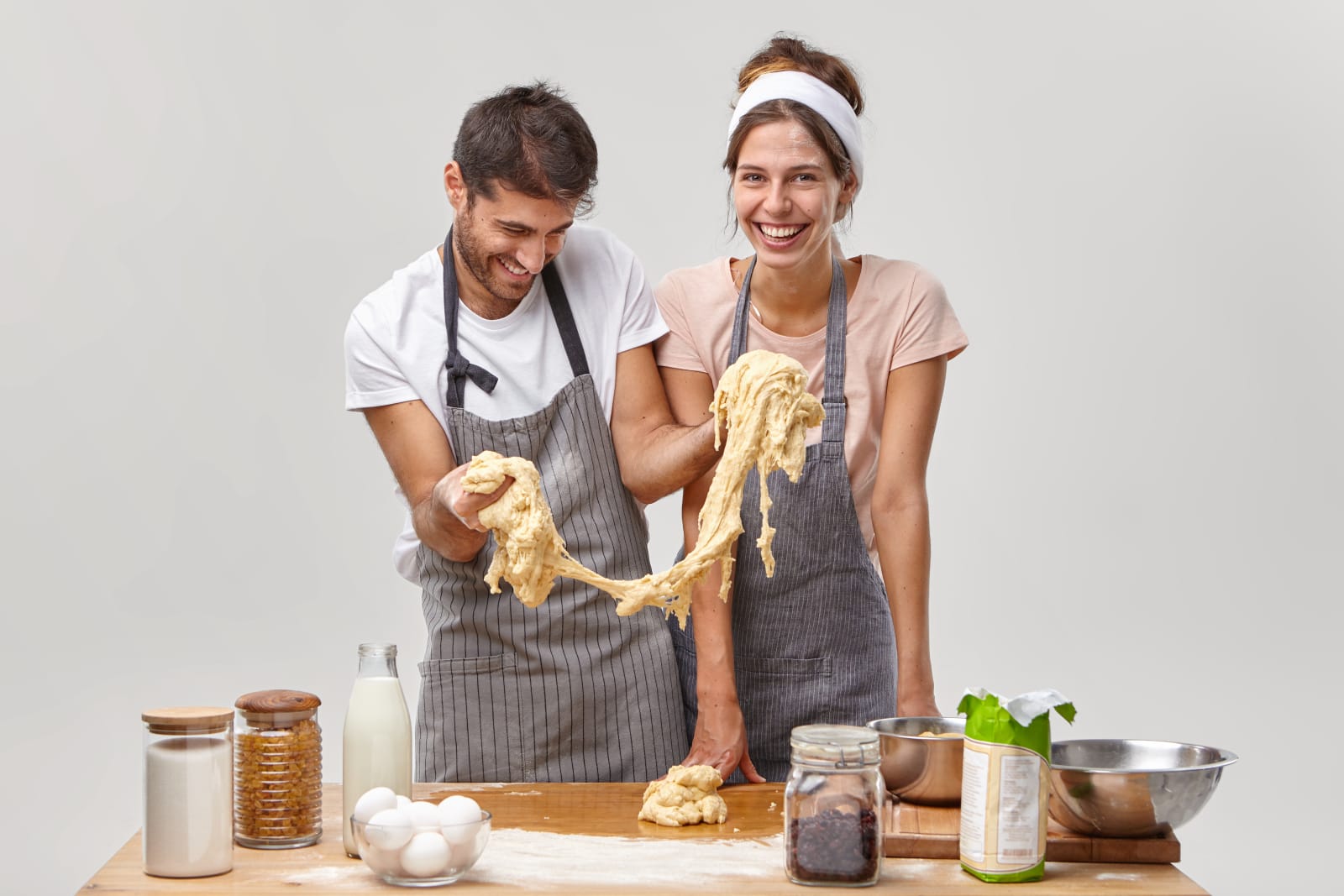
Not all food content performs equally. The formats that drive real-world action — people physically visiting your venue or adding your product to their cart — share a common trait: they feel unscripted.
The formats that work:
| Content Type | Why It Works | Platform |
|---|---|---|
| First-bite reaction videos | Genuine emotion is impossible to fake; audiences mirror the excitement | TikTok, Reels |
| ”Honest review” taste tests | Trust-building format; audiences value the perceived objectivity | TikTok, YouTube Shorts |
| Behind-the-scenes kitchen content | Satisfying process content (sizzling, chopping, plating) holds attention | TikTok, Reels |
| ”Hidden gem” restaurant reveals | Discovery format; triggers FOMO and save-for-later behaviour | TikTok, Reels, Stories |
| Recipe content using your product | Functional value + product placement; high save rates | Instagram, TikTok |
37% of consumers now use social media to find new places to eat. And 50% of diners say their restaurant choices are directly influenced by TikTok and Instagram content. Your micro-influencers aren’t just creating marketing — they’re literally directing foot traffic.
The numbers get more specific when you zoom in on case studies:
- A brunch spot in Los Angeles invited five micro-influencers to their soft launch. The result: 120,000+ Reel views, 2,000 new followers, and 3x their normal weekday walk-ins.
- Domino’s ran regional micro-influencer campaigns that increased app orders by 22%, delivered 4x the engagement of their own brand ads, and lowered customer acquisition costs.
- Sumo Citrus used micro-influencer collaborations to drive 83% TikTok follower growth and 61% Instagram growth, with engagement rates double the industry norm.
The pattern is clear: a handful of local food creators who genuinely enjoy your product will outperform your entire paid ad budget. This is the blanket campaign thesis applied to food — volume of authentic voices beats a single expensive endorsement, every time.
How Do You Run a Food Influencer Campaign with 20+ Creators Without Losing Your Mind?
Here’s where most food and beverage brands hit a wall. You’re convinced micro-influencers work. You want to run a campaign with 20, 30, maybe 50 local food creators. But the operational reality of managing that many relationships — briefing, shipping product, reviewing content, tracking posts, processing payments — is genuinely brutal.
This is the spreadsheet hell we’ve written about before. And it’s worse for food brands because of the logistics: perishable products, location-based activations, time-sensitive content around menu launches or seasonal items.
The operational framework that works:
1. Brief with guardrails, not scripts. Tell creators what your product is, what makes it special, and any dietary/allergen claims they must get right. Then stop talking. The best food content comes from creators being genuinely surprised, delighted, or curious. Over-scripting kills the authenticity that makes micro-influencers effective in the first place.
2. Batch your campaigns regionally. Instead of scattering 50 creators across the country, run concentrated campaigns in specific cities or neighbourhoods. Regional micro-influencers drive 15% higher foot traffic to local stores and generate 2.8x higher engagement than generic brand content. Five creators in Surry Hills will move more burgers than fifty spread across Australia.
3. Standardise everything except the content. Your brief template, payment terms, content approval process, and posting schedule should be identical for every creator. The content itself should be entirely theirs. This is the only way to scale without drowning in one-off negotiations and custom agreements.
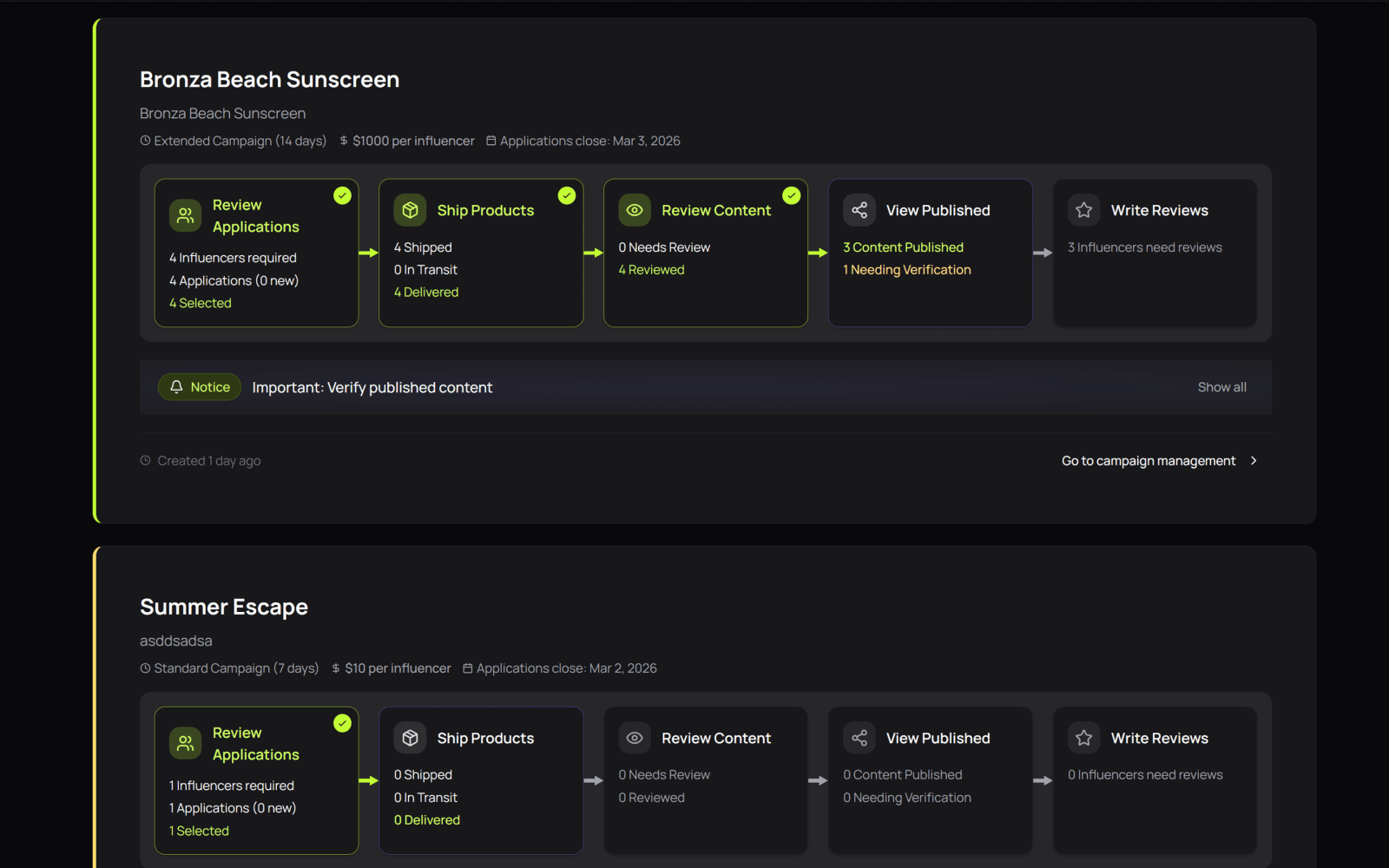
4. Use a platform built for this. Managing 20+ food creators through DMs and spreadsheets isn’t just painful — it’s where campaigns die. You need a centralised system for creator discovery, brief distribution, content review, and payment processing.
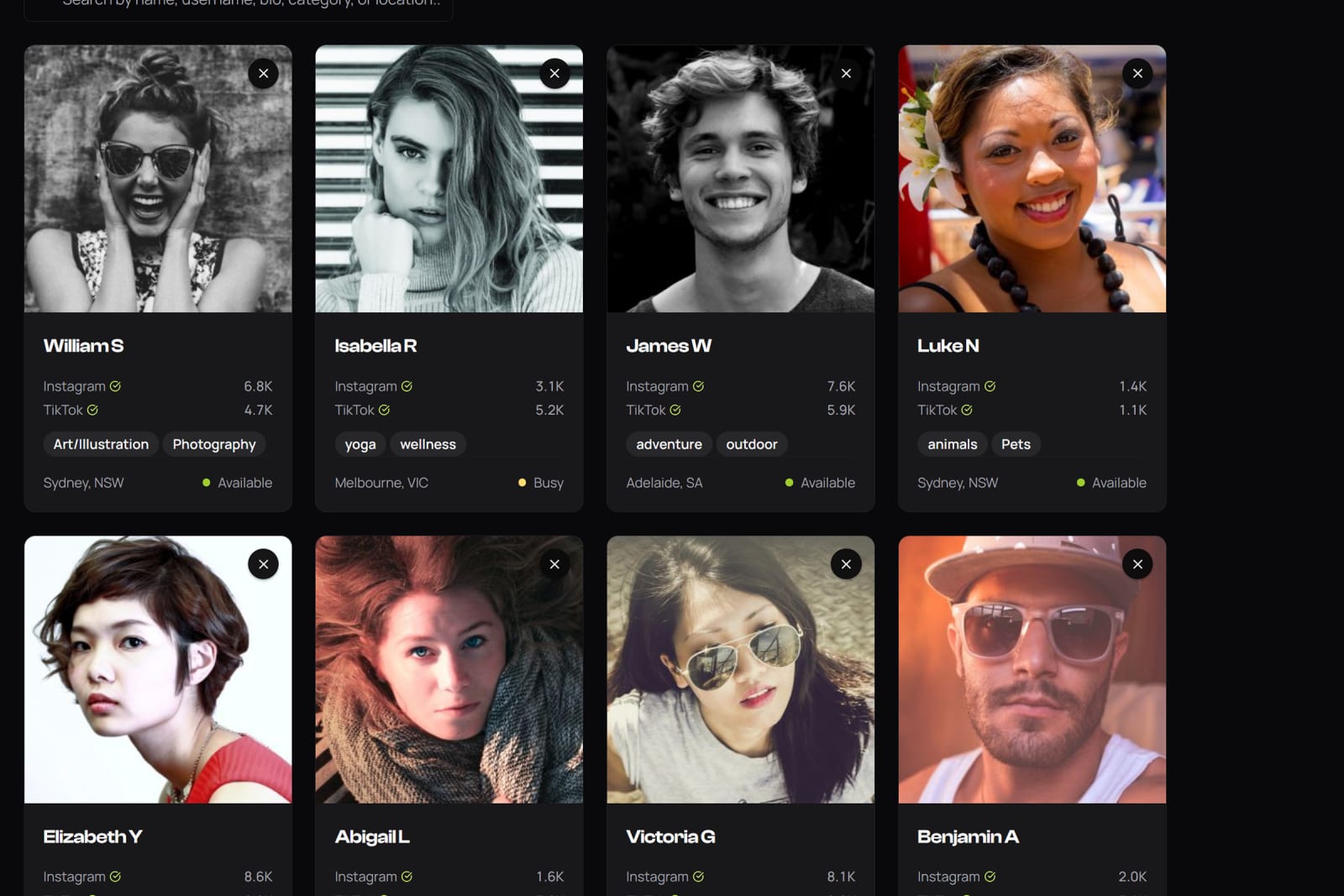
Mega Donkey was built specifically for this kind of campaign. You can search for verified food creators by niche and location, send briefs to dozens of creators simultaneously, review all submitted content in one place, and release payments through escrow when you’re happy. No spreadsheets. No DM chains. No chasing invoices.

What Should Your First Food Micro-Influencer Campaign Look Like?
If you’re a food or beverage brand that hasn’t run a micro-influencer campaign before — or you’ve tried it ad hoc and want to do it properly — here’s a practical blueprint.
Start small and local. Pick one city. Find 10–15 food creators with 1,000–10,000 followers who already post about the kind of food you sell. Don’t look for influencers — look for people who are genuinely enthusiastic about food in your category. The un-influencer is your ideal partner here.
Give them product, not scripts. Send your product (or invite them to your venue) with a simple brief: what you’d love them to highlight, your brand handle, and disclosure requirements under AANA guidelines. That’s it. Let them create.
Track with unique codes. Give each creator a unique discount code or trackable link. This is non-negotiable — without attribution, you can’t measure what’s working. For physical venues, pair this with a simple “How did you hear about us?” question at point of sale.
Measure what matters. Your reporting framework should include:
- Cost Per Engagement (CPE): Total spend ÷ total engagements. Benchmark for micro-influencers: $0.10–$0.50.
- Foot traffic lift: Compare walk-ins during campaign periods versus baseline weeks.
- Code/link redemptions: Direct sales attributed to each creator.
- Content reuse value: What would it cost to produce equivalent content through a studio? (Hint: 3–5x more.)
- Earned Media Value: Here’s how to calculate it properly.
The ROI you should expect: Australian food and beverage influencer campaigns average $5–$7.50 returned per dollar spent, with well-structured micro-influencer programs at the higher end. That’s competitive with — and often better than — paid social, Google Ads, or traditional food media placements. When you factor in content reuse rights (repurposing creator content for your own ads), the value compounds further. Brands that repurpose micro-influencer content see 3–5x better ad performance compared to studio-produced creative.
The timeline: Plan for an 8-week campaign window. Week 1–2 for creator sourcing and briefing. Week 3–6 for content creation and posting (concentrated bursts outperform slow drips). Week 7–8 for measurement and reporting. Then rebook your top performers for the next round.
Your Best Salespeople Are Already Eating Your Food
The food creators with 2,000 followers who are already posting about restaurants and products they love — those are your highest-converting salespeople. They just don’t know it yet.
The Australian influencer marketing industry hit $830 million (AUD) this year, growing 13.5% year-on-year, and food is one of the fastest-growing verticals. Brands that move now — while micro-influencer rates are still accessible and the space isn’t oversaturated — will build a content engine that compounds over time.
Stop paying $10,000 for a single celebrity post that gets forgotten in 24 hours. Start paying $150 each to fifty local food creators who’ll produce content your audience actually trusts, shares, and acts on.
Ready to run your first food micro-influencer campaign? See how Mega Donkey makes it stupid simple →
Where this fits in our pillar
This piece is part of our pillar guide on scaling micro-influencer campaigns — covering creator volume, workflow, measurement, and brand-safety end to end. For the full playbook, start with the complete guide.
Already creating food content and want to get paid for it? Join Mega Donkey as a creator →
Ready to get started?
Launch your first campaign or join as a creator today.